Program vs. Project: What Funders Are Actually Looking For
Program vs. Project: What Funders Are Actually Looking For
By Willie Finklin, CFRE, The Grant GOAT
Many new nonprofit leaders use the words program and project interchangeably, but to funders, they mean two very different things. This confusion can cause serious problems when applying for grants because your proposal may not align with what the funder is actually seeking.
Understanding the difference between a program and a project is essential to writing winning proposals, managing funding properly, and building credibility with donors and grantmakers.
Let’s break down the difference and explore what funders truly look for when they read your application.
A Program Is Ongoing, A Project Is Temporary
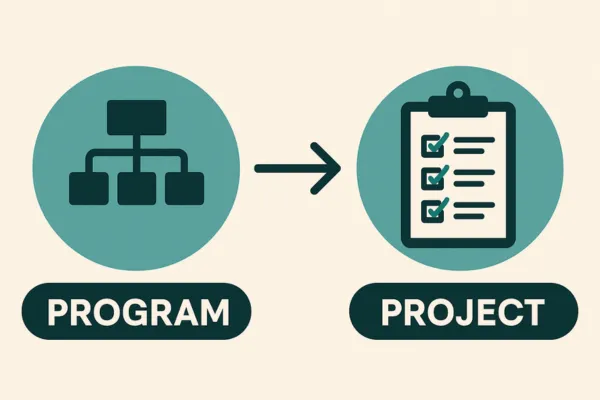
Think of a program as the continuous work your organization does to fulfill its mission. It is an ongoing set of activities designed to create long-term impact. Programs are part of your organization’s structure and are often sustained through multiple funding sources.
A project, on the other hand, is a short-term effort within a program. It has a clear beginning and end, specific objectives, and measurable outcomes. Projects usually test, expand, or complement existing programs.
Example:
If your organization runs a youth mentorship program, a project might be a new 12-week leadership workshop for high school seniors. The program is the umbrella; the project is a focused piece under it.
Funders Want Clarity on What They Are Supporting
Funders need to understand where their money is going. When your proposal blurs the line between a program and a project, they may question your readiness or management capacity.
Programs appeal to funders who want to support long-term, systemic change. Projects attract funders who want short-term, measurable results tied to a specific outcome.
Ask yourself:
Am I describing an ongoing initiative or a time-bound effort?
Can I clearly identify a start and end date?
Does my budget reflect something sustainable or something specific and limited?
The more clearly you define what the funder is supporting, the more confident they feel in awarding you funds.
Projects Often Serve as the Entry Point for New Funders
If your nonprofit is new or seeking its first major grant, a project proposal is often the best way to start. Funders prefer smaller, controlled investments when building new relationships.
A project gives them the opportunity to evaluate your performance, management, and outcomes without committing to long-term funding. If your project is successful, they are more likely to support the broader program later.
Think of it as earning trust in stages. Prove you can manage a smaller project effectively, and larger program funding will follow.
Programs Require Infrastructure and Sustainability
Because programs are ongoing, they require more than a good idea. Funders look for structure, staffing, systems, and evidence that you can sustain the work beyond the grant period.
If your proposal calls something a “program,” but you have not yet built the framework or capacity to support it long term, that can be a red flag.
Tip: Use your logic model and organizational chart to demonstrate readiness. Funders want to see how your program connects to your mission, who manages it, and how you plan to sustain it over time.
Projects Require Precision and Measurable Results
Projects demand clear goals, specific activities, and measurable outcomes. Funders expect to see evidence that their dollars will create visible results within a defined period.
When proposing a project, avoid being vague. Instead, provide clear objectives, performance indicators, and timelines. Show exactly what success will look like and how you will evaluate it.
Example:
A project goal might be “to train 50 community volunteers in financial literacy within six months.” It’s specific, measurable, and achievable exactly what funders want to see.
Funders Are Looking for Alignment, Not Just Effort
Whether you are submitting a program or project proposal, alignment is what gets you funded. Funders want to see that your work directly supports their mission and priorities.
A well-written proposal shows how your efforts contribute to their desired outcomes. Use their language when describing your goals, and reference their focus areas where appropriate.
When funders see that your work helps them achieve their objectives, your proposal stands out from the rest.
Final Thoughts: Define Before You Apply
Before writing your next grant, take a step back and ask: Am I proposing a program or a project?
Understanding the difference helps you present your organization clearly, build credibility, and align with the funder’s expectations. Programs show your long-term impact; projects prove your short-term effectiveness. Both matter, but they serve different purposes in your growth strategy.
At PM3 University, we teach nonprofits how to plan strategically, design sustainable programs, and craft proposals that funders trust. When you clearly define your work and build the necessary structure, your proposals are more competitive, your programs more impactful, and your organization positioned for lasting success.