Stop Copying and Pasting: How to Build a Grant Narrative That Wins
Stop Copying and Pasting: How to Build a Grant Narrative That Wins
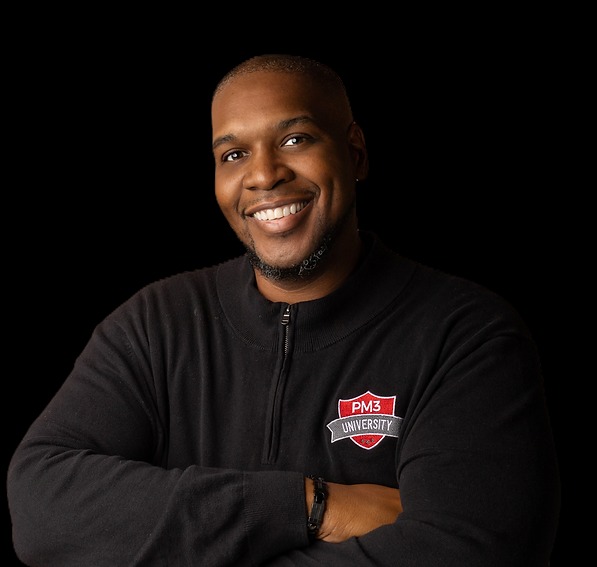
By Willie Finklin, CFRE, The Grant GOAT
If you have ever written a grant, you know the temptation. You find an old proposal, change a few words, update some numbers, and hit submit. It saves time and feels efficient. But the truth is that copying and pasting your way through grant writing will not win funding.
Each funder is different. Each opportunity has its own goals, language, and expectations. When you recycle the same narrative, you miss the chance to connect your mission to what that funder truly cares about. The most successful grant writers do not reuse; they reframe.
Here is how to build a grant narrative that wins because it feels fresh, aligned, and authentic every time.
Understand the Funder’s Story Before Telling Yours
Funders are not just giving away money; they are advancing their own missions. Before you start writing, study their values, priorities, and funding history. Read their website, review past grantees, and pay attention to their wording.
If a funder focuses on equity, youth empowerment, or measurable outcomes, speak to those priorities in your proposal. Align your work with their goals while staying true to your organization’s voice.
A strong grant proposal does not only say what you need; it shows how your mission helps the funder fulfill theirs.
Lead With the Why, Not the What
Too many proposals open by describing programs or activities. Funders first want to know why your work matters.
Define the problem with clarity and data. Connect it to real people and meaningful outcomes. A strong introduction answers three key questions:
What problem exists?
Who is affected?
Why are you the right organization to address it?
When you lead with the “why,” your proposal immediately gains focus and purpose.
Build a Narrative, Not an Essay
A grant proposal should not read like a research paper. It should tell a story with structure, flow, and heart. The best narratives take the reader on a journey from understanding the need to believing in your solution.
Organize your story like this:
The Need: Describe the issue using both data and human context.
The Solution: Explain what you do and how it works.
The Impact: Show measurable results and sustainability.
The Fit: Demonstrate how your goals align with the funder’s mission.
Write in a professional yet conversational tone. Funders are people too; connect with them in a way that feels human and genuine.
Customize Instead of Copy
Every funder has unique requirements. Some value innovation, while others prioritize community collaboration or measurable outcomes. Copying a generic proposal sends the wrong message: it tells funders you do not understand their priorities.
Instead of copying, build a reusable framework. Keep your core language, mission details, and key data points, but tailor the story each time. Replace general statements with specific language that speaks to the funder’s purpose.
If your proposal could be sent to ten funders without changes, it is too generic. Personalization shows effort, respect, and alignment.
Use Evidence to Build Confidence
Funders want proof that your organization can deliver on its promises. Support your claims with real evidence such as:
Outcome data from previous programs
Testimonials from participants or partners
Independent evaluations
Community needs assessments
The most compelling proposals balance emotion with evidence. They inspire confidence by showing that your impact is both heartfelt and measurable.
Edit for Clarity and Connection
Once your draft is done, review it as if you were the funder reading it for the first time. Ask yourself:
Does it clearly show the impact of their investment?
Does the writing feel focused and professional?
Can someone outside your organization easily understand your value?
Edit for flow and precision. Every paragraph should reinforce trust, alignment, and purpose. Remove anything that distracts from the main message.
The best proposals are not the longest, they are the clearest.
Final Thoughts: Authentic Writing Wins
Grant writing is about connection, not convenience. Copying and pasting may save time, but it strips away the personality and passion that make your organization stand out.
Each proposal is an opportunity to tell your story in a way that resonates with a new audience. When you tailor your narrative to each funder, you move from asking for support to building real partnerships.
At PM3 University, we help organizations craft powerful grant narratives that align strategy with storytelling. Because when your story is authentic, funders listen.