The Biggest Mistake New Board Members Make
The Biggest Mistake New Board Members Make
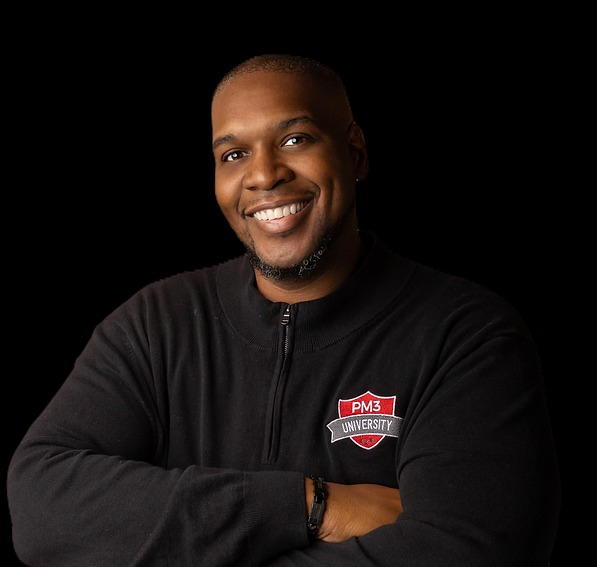
By Willie Finklin, CFRE, The Grant GOAT
Joining the board of a nonprofit is an exciting opportunity.
Most people accept the invitation because they genuinely care about the organization's mission. They want to give back to their community, share their expertise, and help the nonprofit succeed. Their intentions are sincere, and their enthusiasm is often contagious.
Unfortunately, enthusiasm alone doesn't prepare someone for effective board service.
I've seen organizations recruit incredibly talented professionals to their boards, only to watch those individuals become frustrated, disengaged, or unsure of how they can actually contribute. It wasn't because they lacked experience or commitment. It was because no one clearly explained what being a board member truly meant.
The biggest mistake new board members make isn't failing to attend meetings or forgetting to review financial reports.
The biggest mistake is believing that simply showing up is enough.
Strong governance requires more than attendance. It requires engagement, accountability, leadership, and a willingness to help move the organization forward. Board membership isn't an honorary title. It's an active commitment to the long-term health and success of the nonprofit.
If you're serving on a nonprofit board or preparing to join one, understanding this distinction can transform the way you contribute.
1. Thinking the Executive Director Does Everything
One of the most common misconceptions among new board members is that the Executive Director is responsible for every aspect of the organization.
While the Executive Director manages daily operations, the board has a very different responsibility.
The board governs.
That means establishing policies, approving strategic direction, providing financial oversight, evaluating the Executive Director, ensuring legal and ethical compliance, and protecting the organization's mission. These responsibilities cannot be delegated simply because the Executive Director is capable of handling day-to-day management.
Healthy nonprofits thrive when governance and management work together.
The Executive Director leads the organization.
The board provides oversight and strategic leadership.
When everyone understands those distinct roles, the organization operates much more effectively.
2. Believing Meetings Are the Entire Job
For many first-time board members, board service seems to revolve around quarterly meetings.
Attend the meeting.
Review the agenda.
Approve the minutes.
Vote on a few items.
Go home.
In reality, those meetings represent only a small portion of a board member's responsibilities.
Effective board members stay engaged between meetings. They participate on committees, attend fundraising events, advocate for the organization's mission, introduce potential donors and partners, mentor leadership when appropriate, and remain informed about the nonprofit's progress throughout the year.
The strongest boards don't simply gather to make decisions.
They actively help create the conditions that allow the organization to succeed.
Board service is an ongoing commitment, not a quarterly appointment.
3. Avoiding Fundraising Conversations
Nothing causes more anxiety for new board members than the word "fundraising."
Many immediately assume they'll be expected to ask strangers for large donations.
That fear often causes board members to avoid fundraising altogether.
Fortunately, fundraising involves much more than making direct solicitations.
Board members can introduce friends to the organization, attend donor events, thank contributors, share the nonprofit's impact on social media, host small gatherings, or connect organizational leaders with potential supporters.
Every board member has a role in strengthening the organization's financial future.
Fundraising is ultimately about building relationships.
And every board member can help build relationships.
4. Remaining Silent Instead of Sharing Expertise
Many nonprofit boards intentionally recruit individuals with diverse professional backgrounds.
Attorneys.
Educators.
Accountants.
Business owners.
Healthcare professionals.
Community leaders.
Each person brings valuable knowledge that can strengthen the organization.
Unfortunately, new board members sometimes hesitate to contribute because they don't want to overstep or they assume everyone else has more experience.
Healthy boards encourage thoughtful discussion.
They welcome different perspectives.
They value respectful disagreement because it often leads to stronger decisions.
Your organization invited you to the board for a reason.
Don't leave your expertise at the door when the meeting begins.
5. Focusing Only on Today's Challenges
It's easy for board meetings to become consumed by operational updates and immediate concerns.
A staffing issue.
An upcoming event.
A budget adjustment.
A facility repair.
While those matters deserve attention, governing boards must also keep their eyes on the future.
What will the organization look like in five years?
How will funding evolve?
What community needs are emerging?
What risks should leadership prepare for today?
Boards are responsible for protecting the long-term sustainability of the nonprofit.
That means thinking strategically, not just operationally.
Good boards solve today's problems.
Great boards prepare for tomorrow's opportunities.
6. Forgetting That Board Service Is Leadership
At its core, board service is leadership.
Leadership isn't measured by the title on your business card or the position you hold within the organization.
It's measured by your willingness to accept responsibility for the mission's success.
Strong board members ask thoughtful questions.
They prepare before meetings.
They support difficult decisions.
They hold themselves accountable.
They encourage staff.
They advocate within the community.
And perhaps most importantly, they remember that every decision should serve the mission rather than personal preferences.
When board members embrace leadership instead of simply occupying a seat, the entire organization benefits.
That's when governance becomes one of a nonprofit's greatest strengths.
Final Thoughts: Board Membership Is More Than a Seat at the Table
Serving on a nonprofit board is both an honor and a responsibility.
Communities depend on nonprofit organizations to solve complex challenges, improve lives, and create opportunities for those who need them most. Behind every successful nonprofit is a board that understands its role, embraces accountability, and provides thoughtful leadership.
If you're a new board member, don't measure your success by how many meetings you've attended.
Measure it by the value you've helped create.
Ask questions.
Build relationships.
Support fundraising.
Think strategically.
Share your expertise.
Champion the mission wherever you go.
At PM3 University, we believe exceptional nonprofits are built by exceptional leaders, and that includes exceptional boards. Through training, governance education, and leadership development, we help board members understand their responsibilities so they can serve with confidence and make meaningful contributions to the organizations they support.
Because great nonprofits don't happen by accident.
They begin with great governance.