Your Mission Isn't Enough: Why Great Causes Still Fail
Your Mission Isn't Enough: Why Great Causes Still Fail
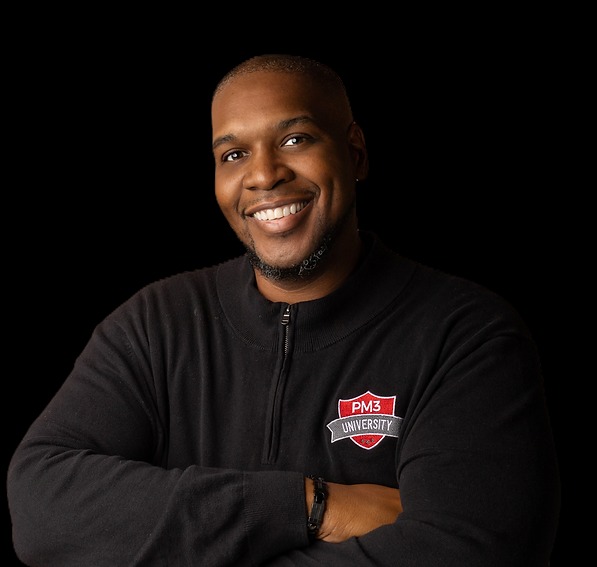
By Willie Finklin, CFRE, The Grant GOAT
One of the biggest misconceptions in the nonprofit sector is that having a great mission is enough to build a successful organization.
It isn't.
I've worked with nonprofit founders who have incredible ideas, inspiring stories, and an unwavering commitment to serving their communities. Their passion is genuine, their mission addresses a real need, and their desire to make a difference is unquestionable.
Yet many of those same organizations struggle to secure funding, recruit engaged board members, retain volunteers, or grow beyond their first few years.
Why?
Because while a mission inspires people, it doesn't build an organization.
A mission tells people why you exist. Your infrastructure determines whether you'll still exist five or ten years from now.
The nonprofits creating lasting impact aren't simply driven by passion. They're supported by strong leadership, thoughtful planning, sound financial management, and systems that allow the mission to grow beyond the founder. Let's talk about why so many great causes struggle and what separates organizations that survive from those that truly thrive.
Passion Can Start a Nonprofit, But It Cannot Sustain One
Every nonprofit begins with passion. Someone recognizes a problem, experiences an injustice, or sees an unmet need within their community and decides to do something about it. That passion becomes the spark that launches the organization.
But eventually, passion reaches its limit.
Passion won't create financial policies. It won't establish internal controls, prepare grant reports, develop strategic plans, or build partnerships with funders. Those responsibilities require intentional planning and organizational capacity.
I've seen founders work eighty-hour weeks trying to keep everything moving because they believed working harder would solve every problem. Unfortunately, exhaustion is not a growth strategy. There comes a point where every nonprofit must shift from relying on the founder's energy to relying on the organization's systems.
Organizations that make this transition continue to grow. Those that don't often find themselves stuck in a cycle of constant fundraising, staff burnout, and organizational instability.
Funders Invest in Organizations, Not Just Missions
One of the biggest surprises for new nonprofit leaders is discovering that funders are evaluating much more than the need you're trying to address.
They're evaluating your organization.
Every grant proposal tells two stories. The first is about the community's needs. The second is about whether your organization has the ability to solve it effectively.
Think about it from the funder's perspective. They're responsible for investing charitable dollars wisely. Before approving funding, they want confidence that your nonprofit has the leadership, governance, financial systems, and operational structure necessary to manage those funds responsibly.
Can you manage the award?
Can you measure outcomes?
Can you submit reports on time?
Can your leadership team execute what you've proposed?
Those questions have very little to do with your mission statement. They have everything to do with your organizational capacity.
Two nonprofits may serve the same population with nearly identical programs, yet one receives funding while the other does not. Often, the difference isn't the mission. It's the organization's readiness.
Great Organizations Build Capacity Before They Chase Growth
One of the biggest mistakes nonprofit leaders make is believing that more funding will solve their organizational challenges.
In reality, funding often magnifies them.
I like asking founders a simple question.
"What would happen if your nonprofit received a two-million-dollar grant tomorrow?"
Most people smile and immediately begin talking about expanding programs, hiring staff, and serving more people.
Then I ask a second question.
"Are you prepared to manage it?"
Do you have financial controls in place?
Can your accounting system track restricted funds?
Does your board understand its fiduciary responsibilities?
Can your staff manage the reporting requirements?
Growth is exciting, but without capacity it can quickly become overwhelming. The strongest nonprofits don't build infrastructure after they receive funding. They build it beforehand so they're prepared when opportunities arrive.
Infrastructure Is the Work Nobody Sees, But Everyone Benefits From
Infrastructure isn't exciting.
You probably won't see board governance trending on social media, and no one is applauding organizations for updating financial procedures or documenting policies.
Yet these are the very things that allow nonprofits to survive.
Infrastructure includes everything that supports your mission behind the scenes. Financial management, strategic planning, board governance, technology, human resources, policies, procedures, and program evaluation all work together to create a stable organization.
These systems provide consistency. They protect the organization from unnecessary risk. They allow new staff and volunteers to contribute effectively. Most importantly, they create confidence among funders, donors, and community partners.
The strongest organizations understand that infrastructure isn't taking resources away from the mission.
It is the mission's foundation.
Leadership Means Building Something Bigger Than Yourself
Many nonprofit founders unintentionally become the organization.
Every decision goes through them.
Every relationship depends on them.
Every problem lands on their desk.
While that level of dedication may seem admirable, it creates one of the greatest risks a nonprofit can face.
Founder dependency.
Healthy organizations are designed so that the mission continues regardless of who occupies the leadership position.
That doesn't happen by accident.
It happens when leaders document processes, develop future leaders, empower staff, strengthen their board, and create systems that allow the organization to function consistently.
Your goal shouldn't be to become indispensable.
Your goal should be to build an organization that can continue creating impact long after you're no longer leading it.
That's what true leadership looks like.
Your Mission Deserves More Than Good Intentions
Communities don't simply need passionate nonprofits.
They need prepared nonprofits.
Organizations that can demonstrate accountability. Organizations that measure impact. Organizations that build trust through transparency, consistency, and responsible stewardship.
Every investment you make in organizational development strengthens your ability to serve others.
Every board member you train.
Every financial policy you establish.
Every strategic plan you develop.
Every evaluation process you implement.
These aren't distractions from your mission.
They're the reason your mission can continue for years to come.
When nonprofit leaders begin viewing capacity building as mission work instead of administrative work, everything changes.
Great Missions Change Lives. Great Organizations Change Generations
There is no shortage of worthy causes.
There is no shortage of passionate leaders.
What our communities need are organizations that are built to carry those missions for decades.
Your mission may inspire people to believe in you.
Your leadership, your systems, and your organizational capacity are what give them confidence to invest in you.
Don't settle for building a nonprofit that depends solely on your passion. Build one that can thrive because it's supported by strong governance, thoughtful planning, financial discipline, and a commitment to continuous growth.
At PM3 University, we believe every great mission deserves an equally great organization. That's why we're passionate about helping nonprofit leaders build the capacity, infrastructure, and leadership necessary to create lasting impact.
Because when you build the organization well, your mission has the opportunity to change not just lives, but generations.